
Checking Fayette County Criminal History
Begin with the question the record must answer. Iowa Courts Online is the strongest free first stop for a filed Fayette County criminal case and its disposition. The Fayette County inmate roster answers a narrower question about present custody and recent booking. A deputy's narrative comes from the Sheriff's Records Department, while a report written by Oelwein, West Union, or Fayette police remains with that city department. The Iowa Division of Criminal Investigation, or DCI, supplies the official statewide criminal-history response.
Use a full legal name, exact date of birth when the service permits it, known spelling variants, and a rough incident or filing date. Then keep the county, case number, charge, and status together. A name match alone can identify the wrong person. Save the search date because a pending docket or custody status may change after review.
- Search Iowa Courts Online and limit the result to Fayette County.
- Check the county roster when current custody or a new booking matters.
- Request the incident report from the agency that wrote it.
- Read the court docket for the filed charge, judgment, and sentence.
- Order a DCI check or certified clerk copy when an official record is needed.
The official Fayette County government site shows where county departments begin.
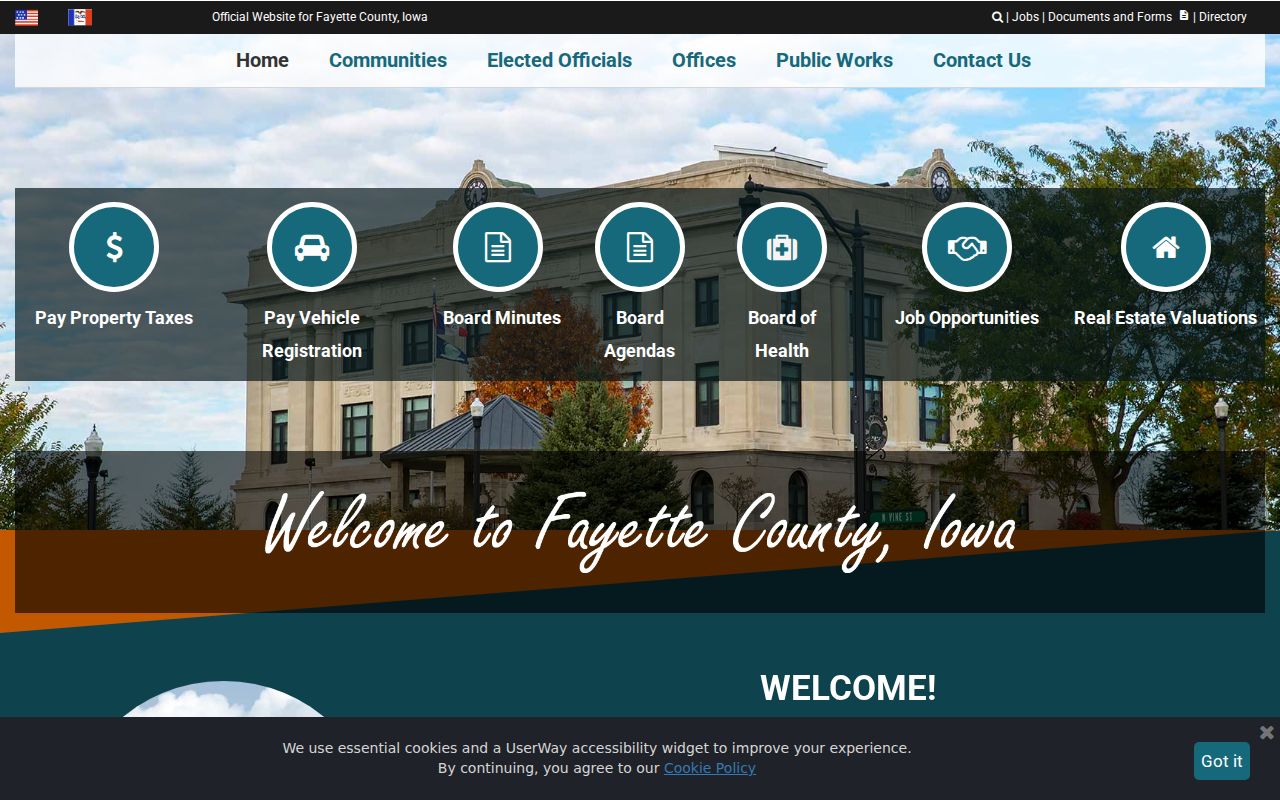
That county directory is useful for finding the courthouse office, but criminal records still divide among the clerk, sheriff, cities, and state agencies.
Two Fayette County Record Counters
The courthouse and sheriff's headquarters are not interchangeable. The Fayette County Clerk of Court at 114 North Vine Street in West Union holds the docket, filed charge, court orders, judgment, sentence, and certified court copies. Call 563-422-5694 when a disposition is missing or when a plain online docket is not enough. The Sheriff's Office and Correctional Center at 220 North Industrial Parkway holds sheriff incident reports, deputy arrest checks, current booking data, fingerprints, and questions about possibly active warrants. Its general number is 563-422-6067, and posted office hours are Monday through Friday, 8:00 a.m. to 4:00 p.m., excluding holidays.
Fayette County Clerk
114 N. Vine Street
West Union, IA 52175
563-422-5694
Sheriff's Records Department
220 N. Industrial Parkway
West Union, IA 52175
563-422-6067
The county courthouse contact page provides the public building context.
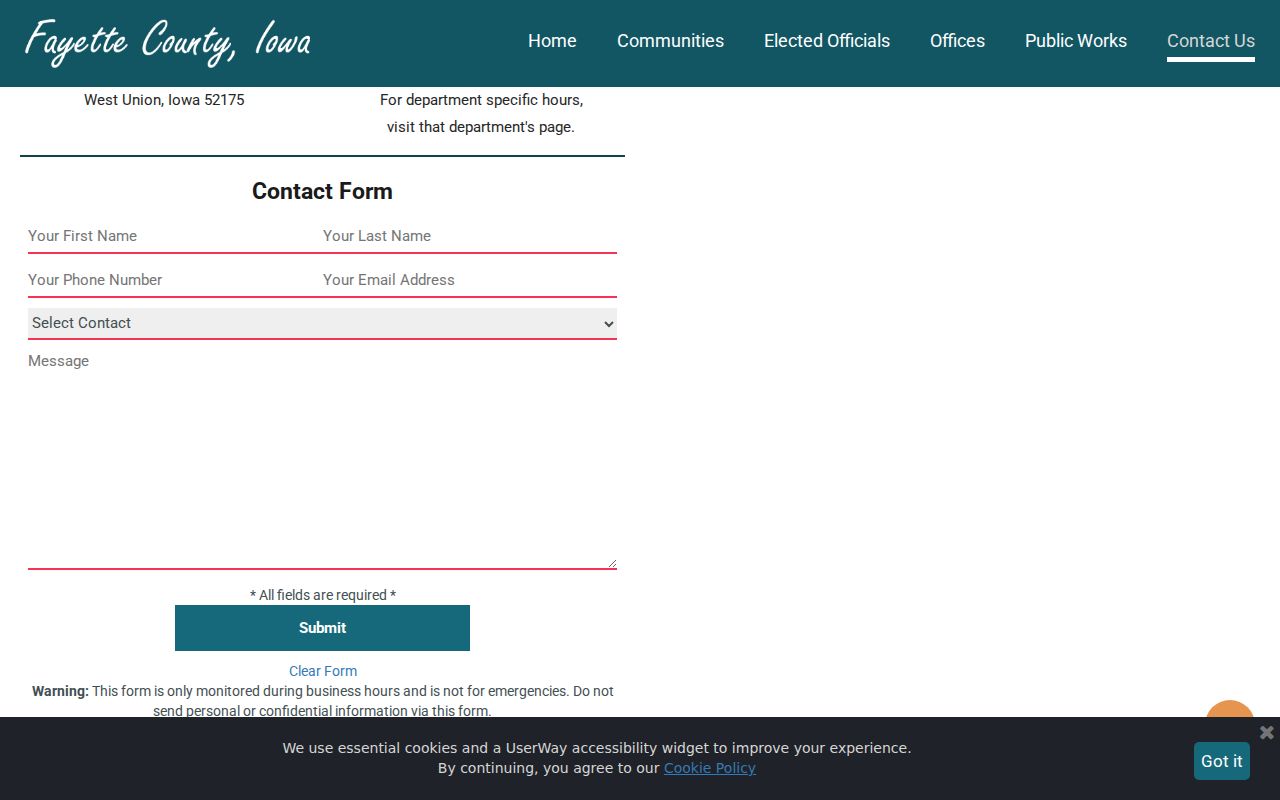
A courthouse trip retrieves judicial records, not every police narrative or jail record created elsewhere.
Note: Confirm counter and holiday hours before traveling.
Iowa Official Background Checks
DCI's Iowa Record Check Online is the official state repository channel. A name-based request uses first name, last name, and exact date of birth and costs $15 per last name searched. DCI accepts online, mail, fax, email, and in-person requests, but not telephone requests. The online route requires a request form and billing form for each check. A card or DCI account number covers online payment. Results can return by mail, fax, or email according to the request instructions.
A signed release is not required merely to ask for a check. It changes what DCI may disclose. Without a release, a non-law-enforcement requester cannot receive discharged deferred judgments or arrests more than 18 months old when no final disposition has been reported. A response reading “no Iowa criminal history found” may mean no record exists, no information is publicly releasable, or confidential juvenile information exists. It is not a broad declaration that no justice record exists anywhere.
The DCI criminal-history instructions show the current request paths.
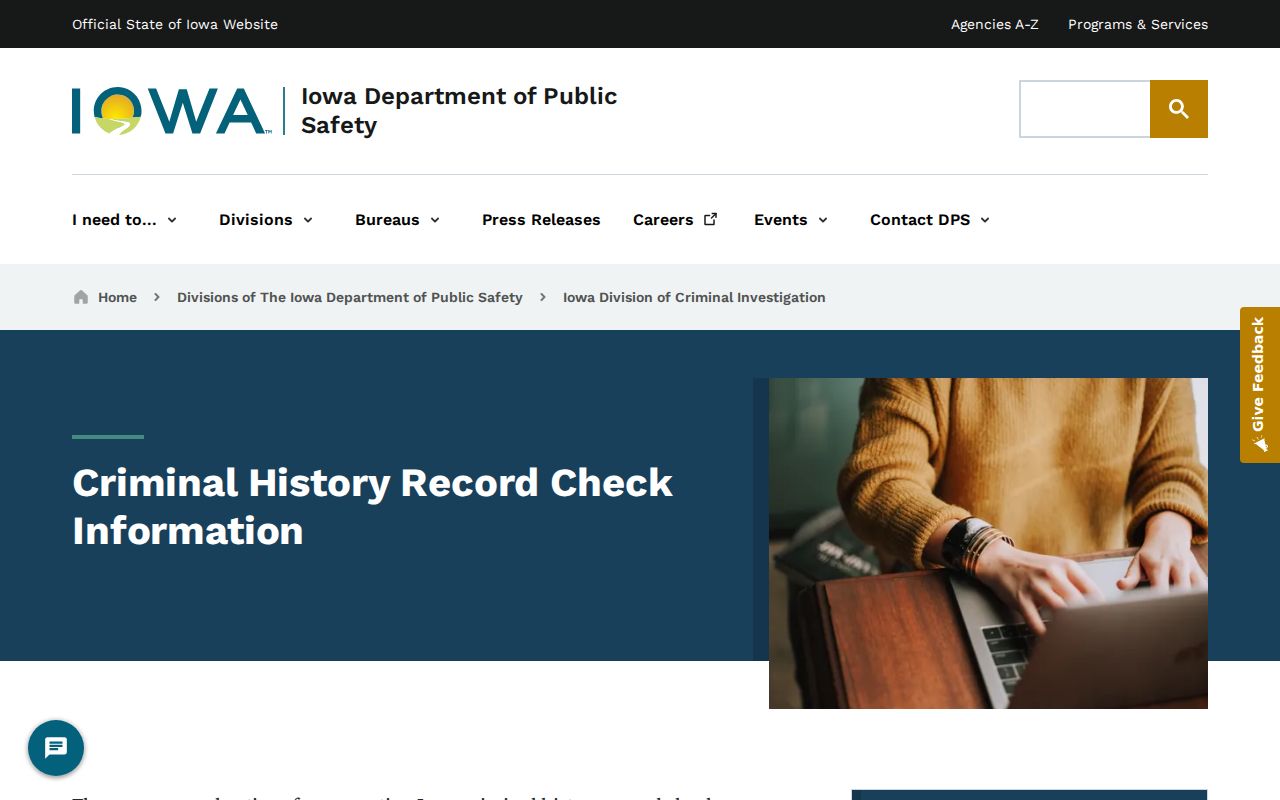
This state service reaches farther than a Fayette County sheriff-only arrest letter, yet it remains subject to Iowa disclosure rules.
Fayette County Friday Fingerprinting
The Sheriff's Office offers public ink fingerprinting on Fridays from 8:00 to 11:00 a.m. and 12:30 to 8:00 p.m. No appointment is required. Bring the fingerprint cards and $10 cash; court-ordered fingerprinting is free. The unusually late second block gives Fayette County residents an evening option. Fingerprint capture is only one part of a fingerprint-supported check. It does not itself produce a DCI or FBI response.
People reviewing their own national history can start an FBI Identity History Summary through the FBI electronic request route and submit fingerprints as directed. For an Iowa record dispute, contact DCI at dcirecordchecks@dps.state.ia.us with the item believed to be wrong. DCI may require fingerprints to confirm identity before correcting a fingerprint-supported record.
Criminal Record Types
A Fayette County criminal history is assembled from records made at different stages. The arresting agency writes the incident or arrest report. Jail staff create a booking record after custody begins. The county attorney chooses what to file, and the Iowa District Court creates the docket and final disposition. DCI compiles fingerprint-linked Iowa events reported to the state. Warrant, corrections, registry, and juvenile records each operate under separate access rules.
- Incident report: the agency narrative, event details, alleged offenses, and public investigative material.
- Booking entry: intake time, booking charge, bond, and current custody information, not proof of guilt.
- Court file: filed charge, events, orders, outcome, sentence, and financial obligations.
- DCI history: the releasable portion of a fingerprint-supported statewide compilation.
- Warrant or registry record: purpose-built public data that is not a full criminal-history report.
Fayette County Sheriff Record Requests
The Sheriff's public-record instructions direct mailed requests to Fayette County Sheriff's Office, ATTN: Records Department, P.O. Box 518, West Union, IA 52175. State the incident date, time, location, record type, and other identifiers as precisely as possible. Include a phone number or valid email for follow-up. Lobby pickup or inspection is available during posted weekday office hours. The office may need research or legal review before deciding which portions can be copied or inspected, and it posts no fixed local turnaround.
The sheriff follows the Iowa Open Records Law, but confidential material does not become public merely because it is in a police file. When a record contains both open and protected material, ask whether a redacted or segregable public portion can be released. Prepayment is required for returned records, while lobby pickup is paid at collection.
| Service | Published fee |
|---|---|
| Initial incident report | $5 |
| Additional copy | $0.50 |
| State accident report | $5 |
| Traffic investigation report | $15 |
| Photo or video CD | $15 |
| Public fingerprints | $10 cash |
The Sheriff's contact page confirms the office route and hours.
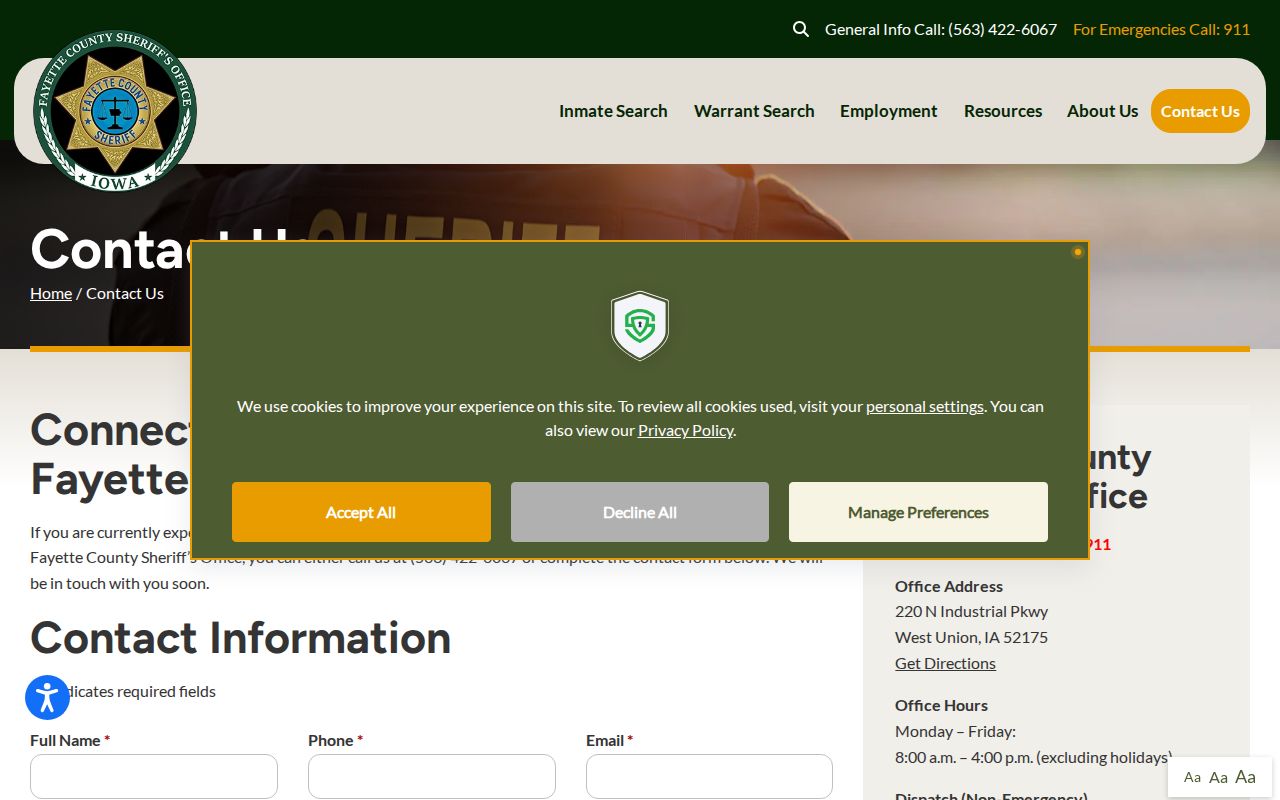
The web contact form can open a conversation, but the sheriff does not label it as a formal records-request portal.
Inside a Fayette County Criminal Record
The useful fields depend on the source. A court file contains the county, case number, party roles, filing date, charge and statute, event history, hearings, counsel, orders, judgment, sentence, and balances. A repository history can include legal names, aliases, birth data, fingerprint-linked arrest cycles, agency and arrest date, reported charges, court dispositions, and supervision information that Iowa law permits for that requester. The observed Fayette County roster is much leaner.
Read the fields as a sequence, not as a flat list. A complaint is a sworn accusation used early in the process. A trial information is the prosecutor's formal charging instrument in many Iowa felony cases. Arraignment is the stage at which the charge is addressed and a plea is entered. Disposition means the result of a charge. It can be a dismissal, acquittal, deferred judgment, or conviction. A sentence appears only after a conviction. Bond is different: it concerns release and conditions while the case is unresolved. These distinctions prevent a pending allegation or cash-bond amount from being mistaken for a final court finding.
| Name and identifiers | Use these to distinguish people with similar names; public screens may suppress sensitive fields. |
|---|---|
| Arrest and booking | Shows the agency event and custody intake, which can precede formal charging. |
| Charge and statute | Identifies the alleged or filed offense; compare the booking label with the court count. |
| Disposition | States the outcome, such as dismissed, acquitted, deferred, or convicted. |
| Sentence | Lists court-ordered custody, probation, fines, or restitution after conviction. |
| Custody status | Separates a current jail entry from older court or repository history. |
Fayette County Inmate and Warrant Searches
The sheriff provides two direct searches. The inmate roster accepts first name, last name, charge, and booking-date range. Its public list shows name, date and time booked, abbreviated charges, and bond. It does not show a photograph, full birth date, physical description, housing unit, magistrate, warrant number, or release date in the observed list. No match means only that the person is not in the current public list.
The warrant search uses first name, last name, charge, and issuance-date range. The sheriff calls the entries “possibly active.” Treat that phrase as a warning to verify directly rather than as a final court-status finding. Do not attempt to arrest or confront anyone. A bench warrant is issued through a court, so the clerk's case record can add context while law enforcement confirms whether it remains active.
The Sheriff's home page routes readers to both county searches.
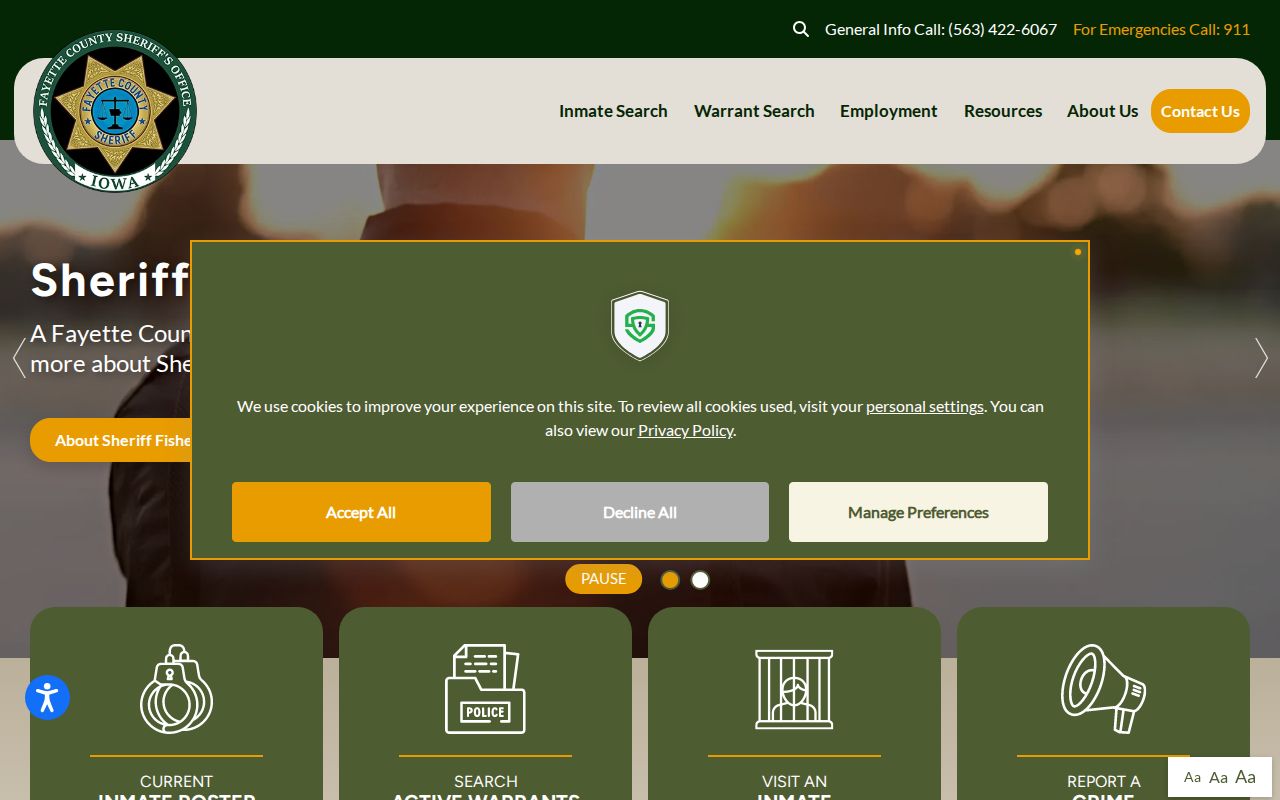
These tools are strong current-status checks, not substitutes for the full arrest narrative or court disposition.
Public Access Laws in Iowa
Iowa law separates open government records from criminal-history dissemination. Chapter 22 supports access to government records while preserving statutory confidential categories and allowing lawful review and redaction. Chapter 692 controls what DCI can release from the criminal-history repository. Chapter 232 generally keeps juvenile files confidential. A public court docket may therefore show information that a DCI public response omits, while a police report may contain protected investigative or personal material.
Key Iowa laws:
Iowa Code chapter 22 governs open records and lawful withholding.
Iowa Code chapter 692 controls criminal-history collection and public dissemination.
Iowa Code chapter 901C provides expungement for qualifying dismissals and acquittals.
Iowa Code chapter 907 includes deferred-judgment discharge and expungement provisions.
Fayette County Custody Record Layers
The Fayette County Correctional Center opened in November 2002 and can house up to 44 prisoners. It holds people for Fayette County, neighboring counties, and sometimes the U.S. Marshals Service. A roster label such as “hold for other agency” or “federal charge” can therefore describe someone physically in West Union who has no Fayette County prosecution. After county custody, a person sentenced to state correctional control may appear in Iowa Offender Search. Federal custody belongs in the Federal Bureau of Prisons locator.
Custody notices are another distinct layer. VINElink is a participating custody-status gateway, not a court docket or criminal-history repository.
A notification service helps track status changes, but the originating jail or corrections agency remains the source to verify.
Sealed, Expunged, and Restricted Records
Iowa does not use one universal expungement rule. Chapter 901C covers qualifying dismissals and acquittals. Section 907.9 addresses successful discharge from certain deferred judgments. Other laws cover narrower record types. A deferred judgment is not a conviction after successful discharge, yet retention and public dissemination do not always end in the same way. Some information becomes confidential rather than physically destroyed.
Juvenile records are generally confidential under chapter 232. A release authorization for an adult DCI check does not open an ordinary juvenile file. When a record should have been expunged or a DCI entry appears wrong, compare the court order with the repository response. The clerk handles the court file. DCI handles its repository entry and may ask for fingerprint proof of identity.
Fayette County Supervision Records
Probation in Fayette County is state-run through the First Judicial District Department of Correctional Services. Parole decisions belong to the Iowa Board of Parole, while the Iowa Department of Corrections and district correctional services administer community supervision. Court dockets can show the sentence that placed a person on probation, but they do not replace current supervision information from the responsible corrections office.
The Board of Parole's official site explains the state authority.
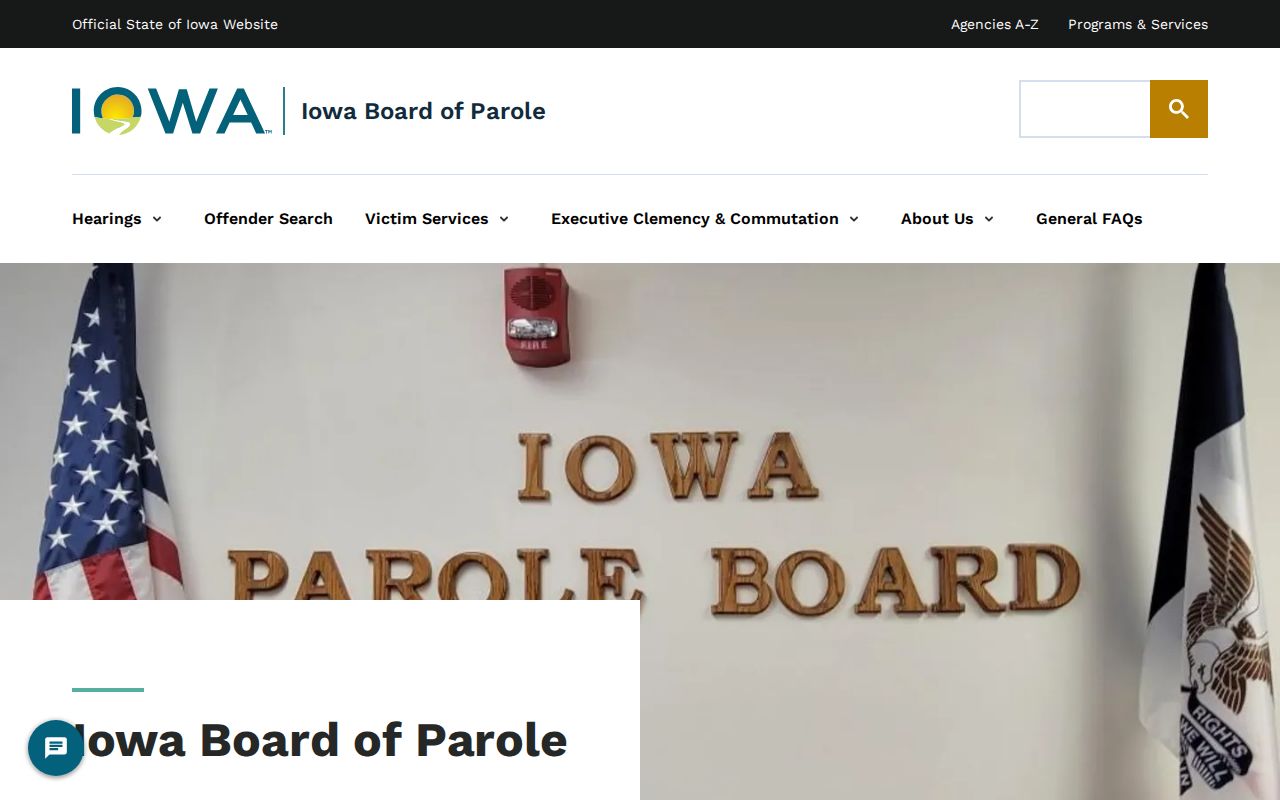
This state layer should be checked separately from county jail custody and local police reports.
Fayette County Criminal Records by City
City police departments keep the reports they create even when county dispatch handled the call or the county jail accepted the person. Oelwein, West Union, and Fayette each have a separate police channel. State misdemeanor and felony case outcomes still route to the Fayette County Clerk and Iowa Courts Online.
Oelwein Criminal Records
Population 5,920 in the 2020 Census. Oelwein PD holds its reports.
West Union Criminal Records
Population 2,490. The county seat has separate police and county counters.
Fayette Criminal Records
Population 1,256. Fayette PD starts city report requests.
Fayette County Record System Context
The modern sheriff site places current inmate and possibly active warrant searches beside records and jail information. That digital access does not merge the underlying records. Six full-time dispatchers provide round-the-clock dispatch for the sheriff, county conservation, emergency management, West Union and Fayette police, seven ambulance services, and thirteen fire departments. Shared dispatch coordinates calls. It does not transfer a city police report into sheriff custody.
The county attorney adds another distinct step. Law-enforcement agencies send referrals to that office, which decides what county criminal charge to pursue. The county attorney does not maintain the public court docket. Once a charge is filed, the Clerk of Court becomes the source for its procedural history and outcome. This explains why the booking allegation, prosecutor's filed count, and final conviction count may not match. Each describes a different decision made at a different time.
The Census county profile provides the population setting for these local services.
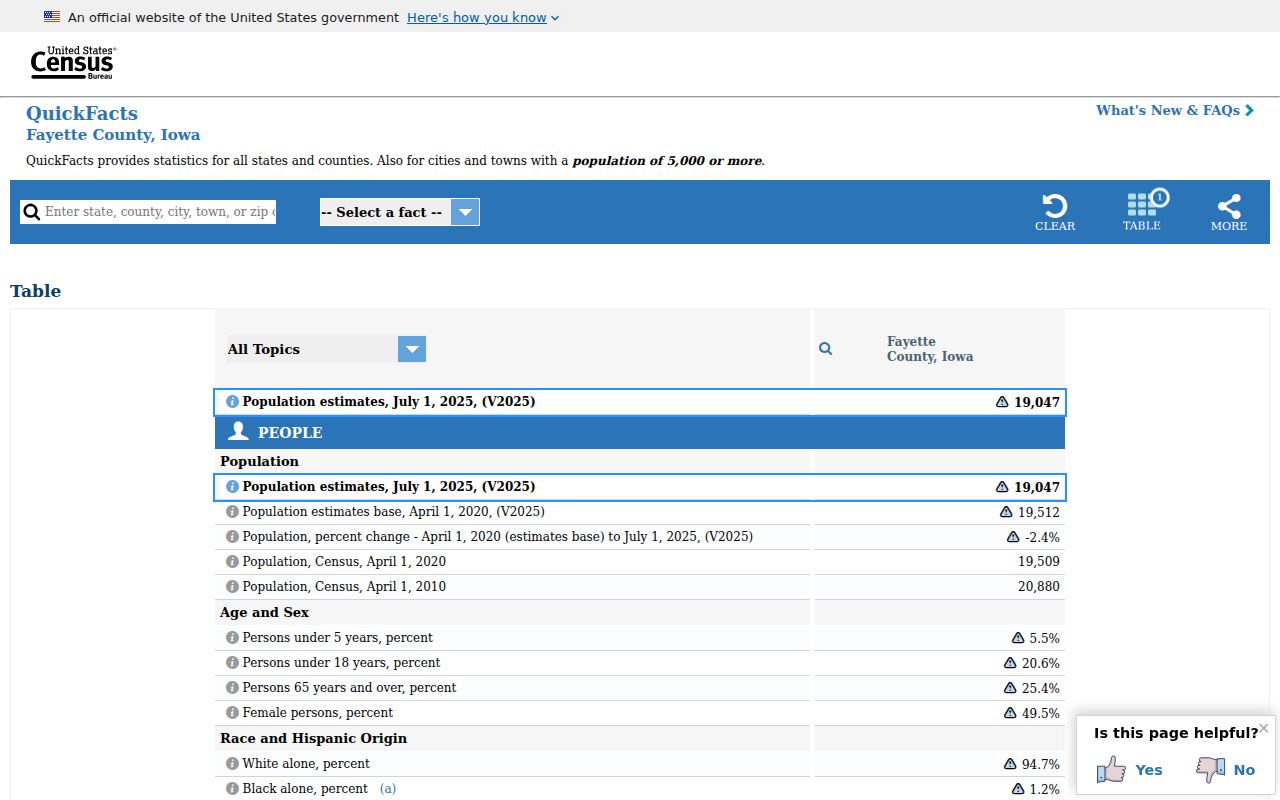
The county's rural scale makes the correct routing especially important: one dispatch center can serve many agencies while each agency remains the custodian of its own record.
Older and less accessible material has a fallback chain. First record the case number or incident identifiers from any available public screen. Then ask the clerk or creating law-enforcement agency whether a public copy exists outside the online view. Request a certified copy only when certification is actually needed. If an agency denies access, ask for the Iowa statute supporting the denial and whether nonconfidential portions can be released after redaction. That focused approach gives the custodian a workable request without assuming the entire file must be open.